

Perhaps your skin feels uncomfortable after cleansing. Your cheeks flush in cold weather, or a product you have used for months suddenly causes a tingling sensation. At other times, the skin may look perfectly calm yet feel unusually tight or reactive.
These subtle changes can be clues to sensitivity.
Sensitive skin benefits from attention. Understanding what contributes to discomfort helps us make informed choices about cleansing, hydration, nourishment and protection.
What Is Sensitive Skin?
Sensitive skin describes skin that reacts more readily to certain products, environmental conditions or everyday influences that would not normally cause discomfort.
For some, sensitivity is an ongoing characteristic. For others, it appears during particular seasons, after changes in a skincare routine or when the skin is exposed to unfamiliar conditions.
Although sensitivity often accompanies dryness, the two are not the same. Skin can be naturally oily, dry or combination and still experience sensitivity.
Skin barrier function also plays a role. The skin’s outermost layer helps retain moisture while limiting the effects of external irritants. When this protective function is disrupted, the skin may become more vulnerable to discomfort. Yet sensitivity can also involve heightened responses from the skin’s sensory nerves, even when its surface appears unchanged.
Recognising the Clues: What Sensitive Skin Feels Like
One of the clearest indications is recurring discomfort in response to something that would ordinarily feel gentle or familiar.
Common clues include:
- Stinging or tingling: A prickling sensation when applying skincare or following exposure to certain environmental conditions.
- Burning or itching: Discomfort that may arise even without a noticeable change in the skin’s appearance.
- Tightness and dryness: Skin that feels uncomfortable, particularly after cleansing or exposure to dry air.
- Redness or flushing: Visible changes that may become more noticeable with temperature shifts or particular ingredients.
- Roughness or flaking: Changes in texture that may accompany dryness or irritation.
These clues are worth observing, but they do not establish a diagnosis. Persistent redness, itching, burning or other symptoms may also be associated with skin conditions that require professional care.
Why Does Skin Become Sensitive?
Sensitivity rarely has just one influence. The skin responds to its environment, the products we apply and changes occurring within the body.
Environmental Influences
Cold winds, low humidity, strong sunlight and sudden temperature changes can affect how comfortable the skin feels.
In dry climates, for example, moisture can be lost more readily from the skin’s surface. Skin that already feels tight may become increasingly uncomfortable when exposed to cold outdoor air and heated indoor spaces.
Skincare and Daily Habits
Cleansing too frequently, using very hot water, vigorous exfoliation and layering numerous active products may contribute to irritation.
Fragrance and certain skincare ingredients can also trigger sensitivity in some individuals. Even botanical ingredients may not agree with every complexion.
Changes Within the Skin
Sensitivity may also fluctuate with hormonal changes, medications or changes in skin barrier function.
Noticing when and how discomfort develops can help identify patterns without assuming every reaction has the same cause.
The Skin–Nervous System Connection
We are not caring for skin in isolation; we are caring for skin as part of a living, interconnected whole.
The skin contains sensory nerves that help us experience touch, temperature, itching and discomfort. These nerves also participate in how the skin responds to irritation and environmental influences.
When we experience stress, the body’s nervous and hormonal responses can influence skin function. Research suggests that psychological stress may affect the skin’s protective barrier, moisture retention and inflammatory responses. For some people, periods of increased stress may coincide with greater skin discomfort or reactivity.
The relationship works both ways: persistent skin discomfort can also affect emotional well-being. Stress is one influence among many, alongside genetics, environmental conditions, skincare ingredients and individual skin characteristics.
Sleep, rest and opportunities to slow down are meaningful parts of caring for the whole person, alongside gentle cleansing, hydration and protection.
At ISUN, we recognise the connection between our inner and outer worlds. A skincare ritual can offer an opportunity to pause and approach the skin with greater awareness and care.

What Helps Sensitive Skin Feel More Comfortable?
A sensitive skin routine begins with the essentials: gentle cleansing, appropriate moisture support, protection and awareness of individual triggers.
Cleanse Without Stripping
Cleansing should leave skin feeling fresh and comfortable rather than tight or depleted.
Choose a mild cleanser, use lukewarm water and avoid excessive rubbing. Pat the skin dry with a soft cloth instead of vigorously wiping its surface.
Replenish Moisture
Hydration and nourishment work in complementary ways.
Humectants, including hyaluronic acid and glycerin, attract and bind water, supporting a hydrated and supple appearance.
Moisturisers containing suitable oils and other emollient ingredients help soften the skin and reduce moisture loss.
For skin that feels both dry and sensitive, a gentle combination of water-based hydration and lipid-rich nourishment may be beneficial, provided the individual formulas are well tolerated.
Simplify When Skin Feels Reactive
A complicated skincare routine can make it difficult to recognise which products agree with your skin.
When sensitivity develops, consider temporarily reducing unnecessary steps and avoiding products that appear to cause discomfort.
Introduce new formulas individually, following product directions and testing a small area before wider use.
Protect from Everyday Stressors
Skin protection extends beyond what we apply in our morning and evening routines.
A suitable broad-spectrum sunscreen, protective clothing and limiting exposure to sun, wind and extreme temperatures all contribute to everyday skin care.
If discomfort persists, worsens or occurs repeatedly despite gentle care, consult a dermatologist or qualified healthcare professional to understand the underlying cause.
The ISUN Approach: Gentle Botanical Care for Sensitive Skin
At ISUN, formulation begins with understanding what the skin needs and how ingredients can work together to support it.
For delicate skin, this means considering the nourishing qualities of botanicals, their concentration, compatibility and the experience of the complete formula.
A Gentle Beginning: Sapphire Cleanse Facial Cleanser

Created for delicate skin without essential oils, Sapphire Cleanse Facial Cleanser combines cucumber water and aloe vera with calendula and chamomile in a soft, silky formula.
Coconut oil contributes nourishing lipids. The cleanser helps leave skin feeling soft and comfortable.
Apply to damp skin, massage gently and rinse with lukewarm water.
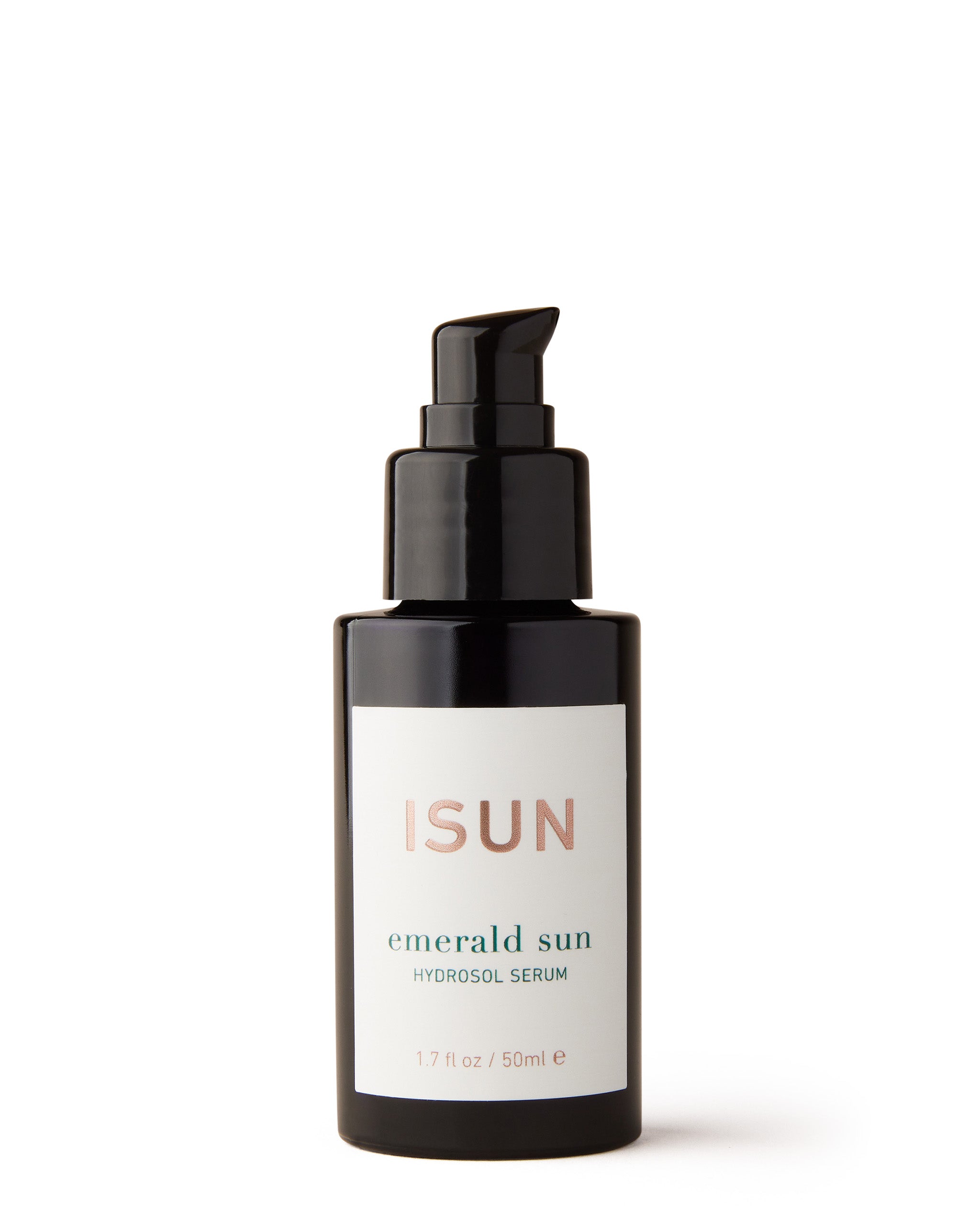
Lightweight Hydration: Emerald Sun Hydrosol Serum
Emerald Sun Hydrosol Serum brings together hyaluronic acid, glycerin and beta-glucan in a lightweight, silky formula to support hydration.
Peony root, green tea and edelweiss complement the hydrating ingredients with botanical care and antioxidant support.
Applied to clean, slightly damp skin, the serum offers a fresh layer of hydration before a suitable facial oil or moisturiser.
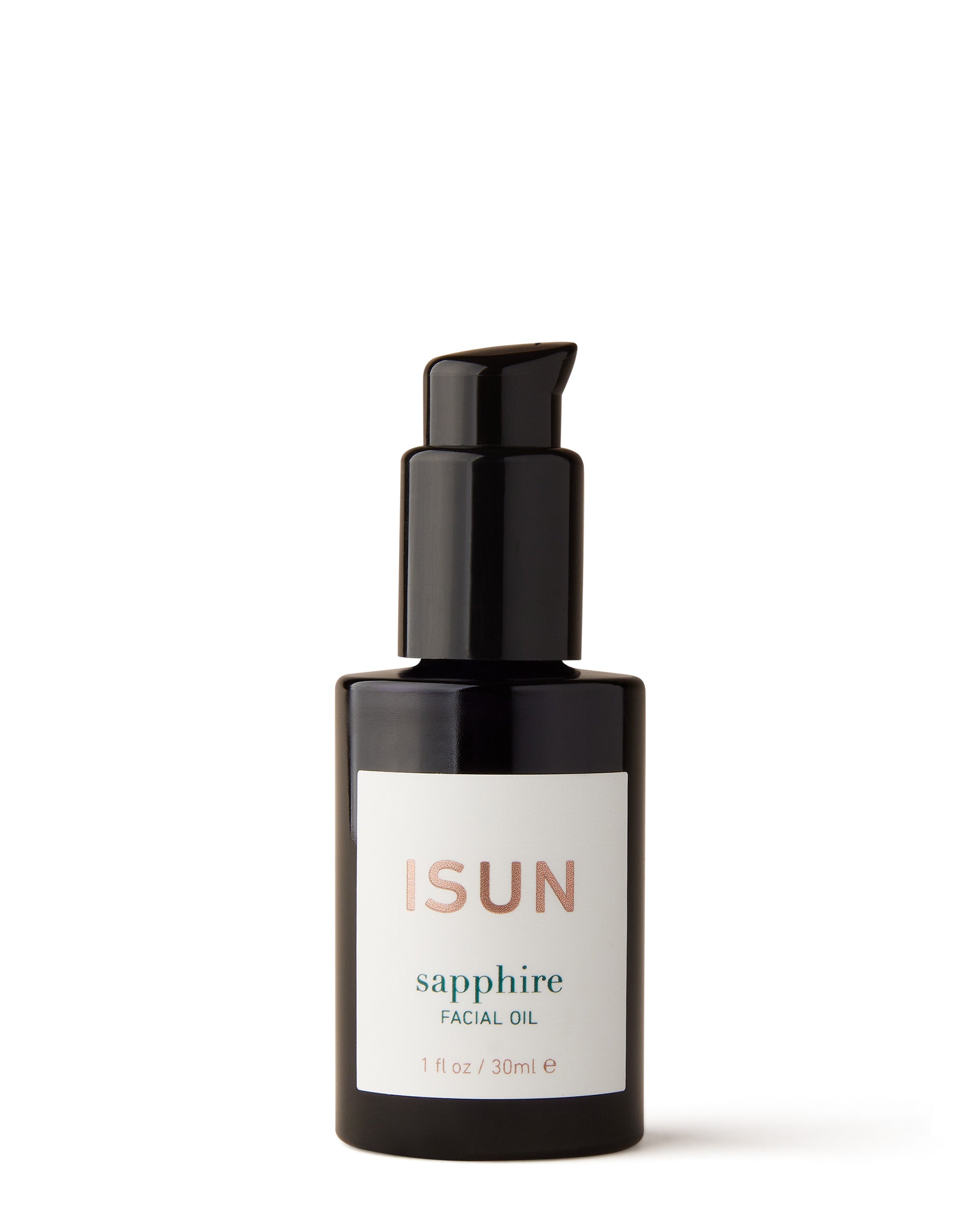
Nourishing with Sapphire Facial Oil
Sapphire Facial Oil blends passionfruit, sunflower and grapeseed oils with calendula and chamomile to help maintain moisture and leave skin feeling supple and conditioned.
For skin that welcomes facial oils, a small amount provides a nourishing finishing layer following hydration.
Review ingredients and personal tolerances before introducing a formula. Not all botanical products are fragrance-free and ingredients selected for gentle skincare can still cause discomfort for some people.
Hydration, Rejuvenation, Protection and Balance
These four areas offer a way to consider sensitive skin’s changing needs without trying to address everything at once.
Hydration supports moisture and suppleness. Rejuvenation relates to the skin’s natural renewal, with an emphasis on care the skin tolerates rather than additional exfoliation when it feels reactive.
Protection includes maintaining the skin’s protective surface and limiting exposure to environmental stressors. Balance means responding to what feels comfortable and adjusting the routine when the skin’s needs change.
To explore this wider approach, read Listening to Your Skin.
A Gentle Approach, Guided by Your Skin
Sensitive skin invites a little more discernment in how we care for it.
Notice recurring discomfort, choose formulas your skin tolerates and allow its changing needs to guide your routine.
At ISUN, we believe skincare is most meaningful when it honours the skin’s individuality.